

Single families rezoning to multiplexes in British Columbia
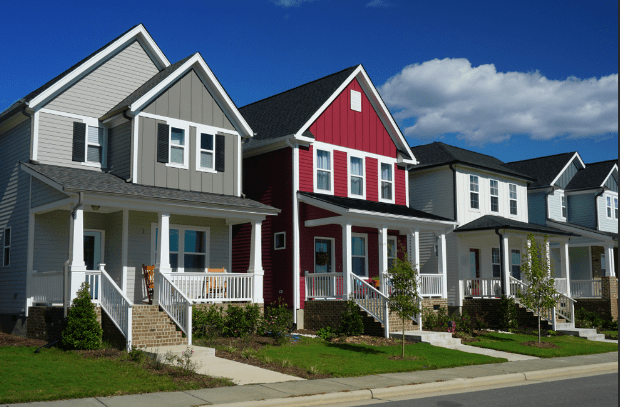
In British Columbia, a great new policy now allows single family homes to be turned into multiplexes. Homeowners can convert their houses into two, three, or four separate units, creating more affordable and diverse housing options. This exciting change aims to help solve the housing shortage and support growing communities. Local governments will update rules to make these developments easier, helping neighborhoods flourish.
The Concept of Rezoning
British Columbia has been leading the way in new ideas for city planning to tackle the growing housing crisis. One of the biggest changes being discussed is changing the zoning rules in single-family neighborhoods to allow for more multiplexes. While this idea has its critics, it could bring many benefits, such as more housing options and more sustainable city growth.
Understanding the Shift
In the past, cities mainly had rules saying you could only build one house on a piece of land. But now, because houses are so expensive and there are not enough of them, places in British Columbia are starting to allow different kinds of homes, like duplexes and townhouses, on the same plot of land. This change helps make neighborhoods more lively and gives people more options for where they can live.
Challenges and Opportunities
Switching to multiplex zoning can be tough because people might not like the change, worry about too many people or not enough parking, and want to keep the neighborhood the same. We also need to make sure there is enough roads and water for everyone. But, it can make cities busier in a good way, help different kinds of people live together, boost shops, make walking easier, and be better for the environment by using public transport more.
Community Engagement and Collaboration
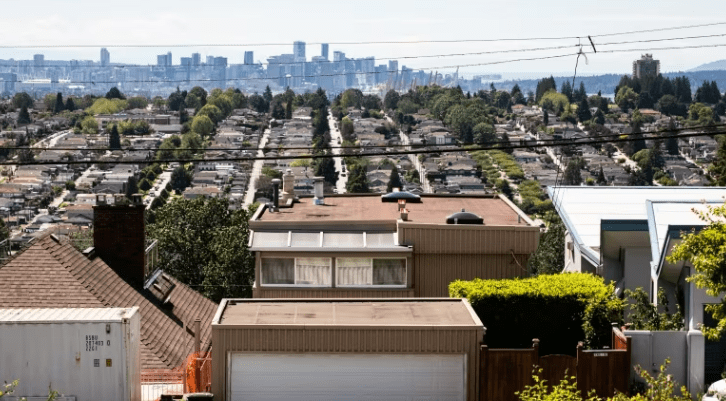
For rezoning to work, everyone in the neighborhood needs to talk and work together. This means people who live there, builders, and leaders need to have good conversations. It is important to be clear about what is happening and to listen to everyone. Planning ahead and following rules can help avoid problems and make sure new buildings help everyone. This includes things like how far apart buildings are, how tall they can be, and making sure there are homes people can afford. When communities feel involved, they can accept changes while keeping what makes their neighborhood special.
Addressing Affordability
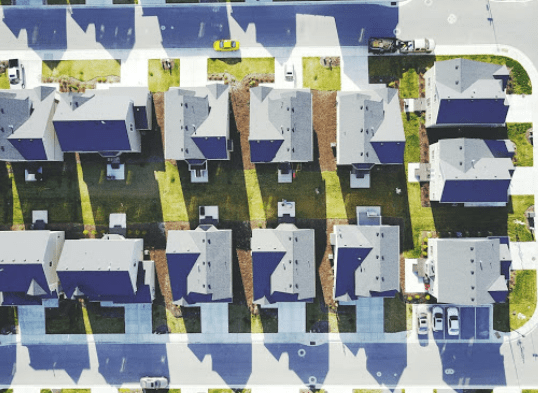
Making different kinds of homes in one area, like apartments and houses, is supposed to help more people afford housing. But just building them does not mean they will be cheap. Leaders need to make rules to keep them affordable. They might make developers offer some cheaper homes, give money to people who can not pay much, or try new ways to pay for homes together. These ideas help keep housing costs down and let different people live in the same places.
Eco-friendly Progress
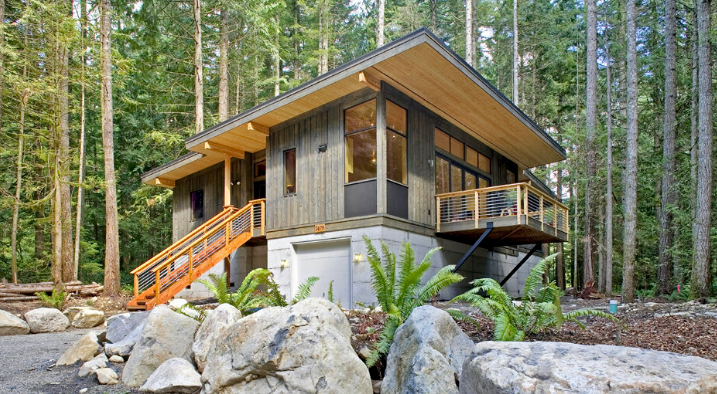
Making multiplexes eco-friendly means using less energy and water, and encouraging people to use bikes or public transport. It is also about making sure everyone, including people with disabilities or older folks, can easily use these buildings. By doing these things, places like British Columbia can create communities that are healthy, green, and welcoming to everyone.
Concluding this article by stating, Changing the rules for housing in British Columbia to allow more types of homes is a great opportunity. It means we can build houses closer together, make them cheaper, and help the environment. By working together and making fair decisions, we can create better neighborhoods for everyone.